

Mastering Christmas Tree Lights: Tips & Placement for a Dazzling Display
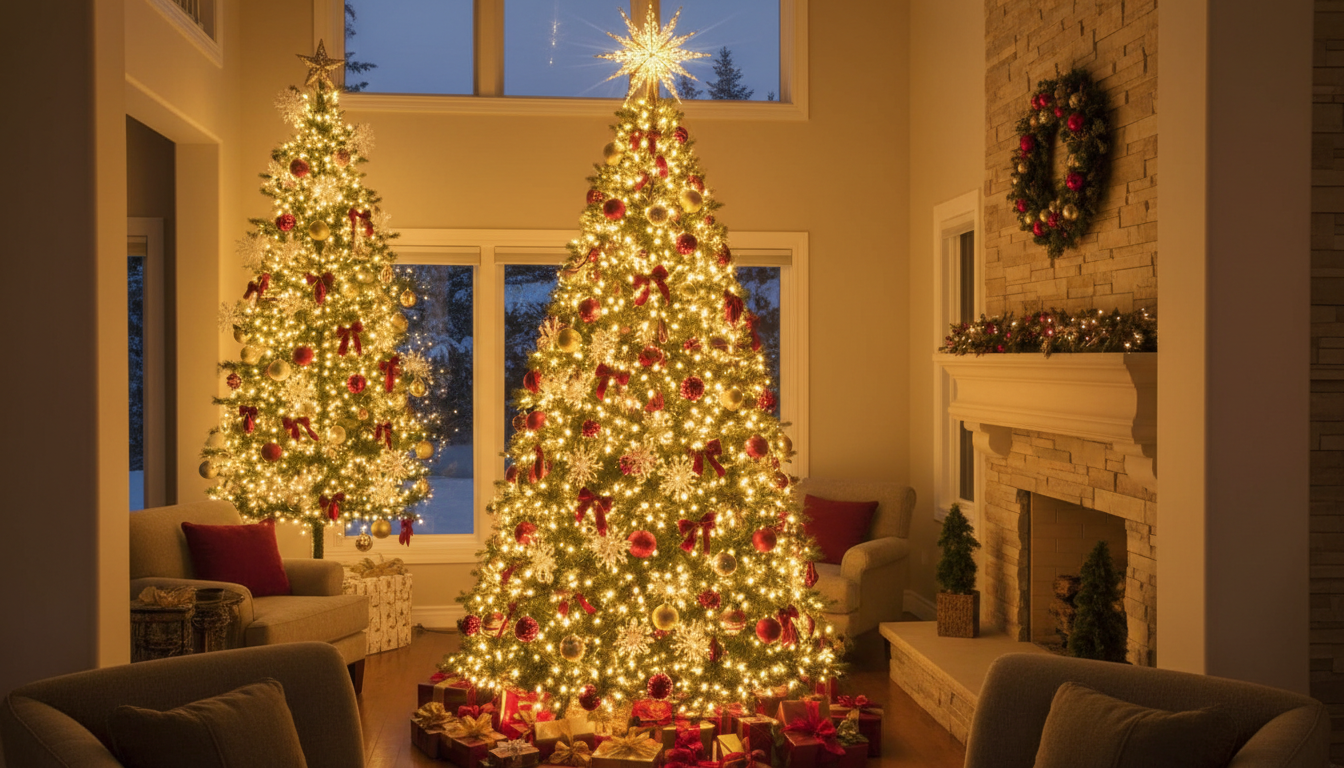
The Christmas tree, a timeless symbol of the holidays, truly comes to life with the magic of lights. More than just illumination, lights are the very foundation of your tree's allure, creating depth, warmth, and that undeniable festive sparkle. A well-lit tree transforms a room, turning a simple evergreen into a breathtaking centerpiece. But achieving that brilliant, even glow isn't always as simple as it looks. From choosing the right type of bulbs to mastering the art of placement, there's a technique to making your tree shine brightest. This guide will illuminate the path to a perfectly lit Christmas tree, ensuring your holiday decor truly sparkles.
The Essence of Glow: Why Lights Are the Heart of Your Christmas Tree
Lights are more than mere accessories; they dictate the mood, highlight ornaments, and create the illusion of depth. Without properly placed lights, even the most exquisite decorations can fall flat. Understanding the impact of different light types and placement techniques is crucial for achieving that coveted, professional-looking holiday display.
Before You String: Essential Planning for Perfection
How Many Lights Do You Really Need?
A common rule of thumb is 100 lights per foot of tree. So, a 7-foot tree would ideally need 700 lights. However, this is a starting point. Consider the density of your tree (real trees may need more), your desired brightness (a twinkling, ethereal glow vs. a bold, bright statement), and the size of your bulbs. For a truly luminous effect, don't be afraid to exceed this recommendation!
Choosing Your Light Type: A Guide to the Options
The market offers a dazzling array of Christmas lights. Your choice impacts not only the look but also energy consumption and durability:
Consider bulb size and shape too: mini lights for a subtle twinkle, C7 and C9 bulbs for a bolder, retro look, or fairy lights for a delicate, magical touch.
Warm White vs. Colorful: Setting Your Tree's Tone
The color of your lights dramatically influences your tree's aesthetic:
You can also combine both! Start with warm white lights deep within the tree for an internal glow, then add colorful lights on the outer branches for a vibrant overlay. Experiment with different styles to see what suits your home best – you can even Home Decor Ideas with our AI tools before you buy!
The Art of Stringing: Techniques for a Brilliant, Even Glow
This is where the magic happens. A well-executed stringing technique ensures every inch of your tree sparkles.
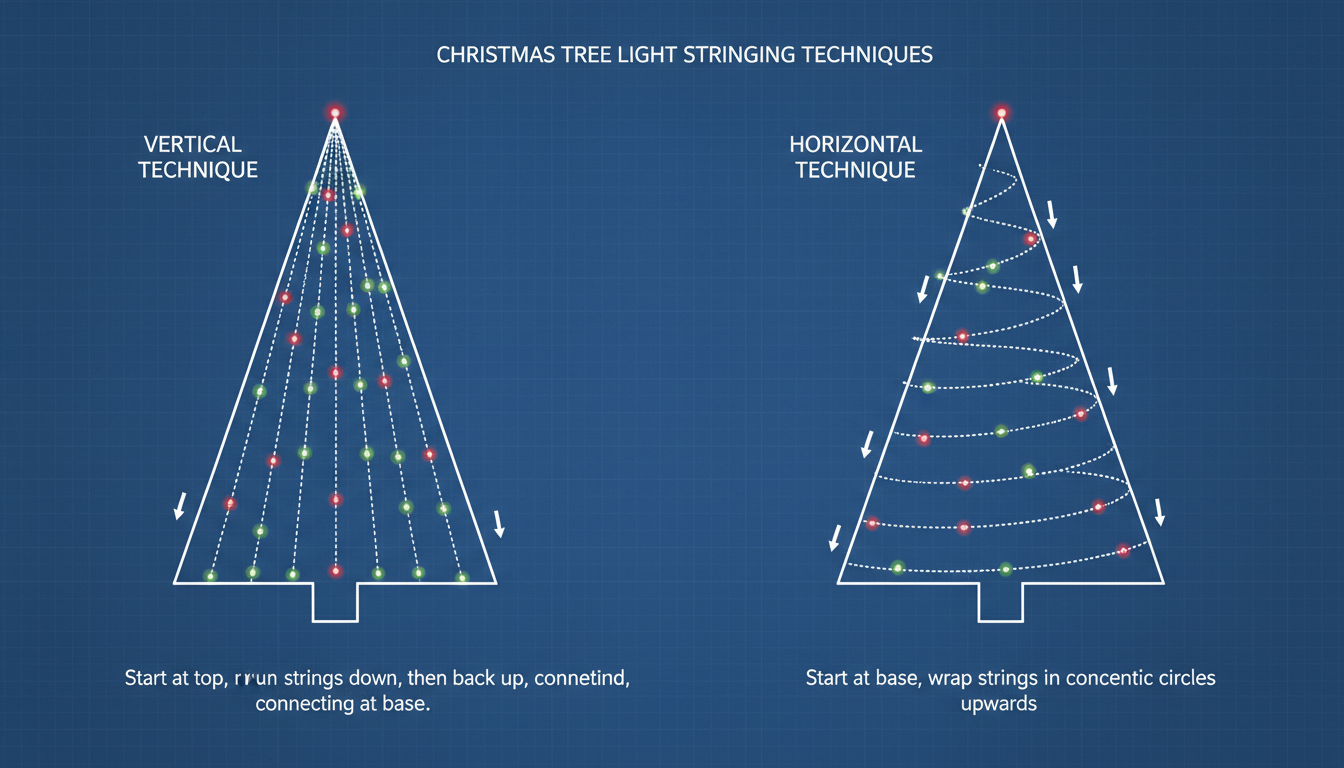
Method 1: The Vertical or Zig-Zag Technique (Recommended)
This method ensures an even light distribution and makes it easier to replace bulbs or entire strands without dismantling your decor. Start at the top of your tree, letting the string of lights fall vertically, working your way down the section closest to the trunk. When you reach the bottom, string the lights up the next section (zig-zagging) until you reach the top. Continue this pattern around the tree, ensuring lights are evenly spaced and nestled slightly within the branches for depth.
Method 2: The Horizontal Wrapping Method (Classic)
The traditional approach involves wrapping lights horizontally around the tree, starting from the trunk and working your way out and up the branches. For a fuller look, wrap lights both close to the trunk for an inner glow and then further out on the branches for visible sparkle. This method can be trickier to achieve an even distribution and can make removing lights more challenging.
Method 3: The Layering Approach (For Maximum Depth)
For truly stunning depth, combine techniques. Start with a string of warm white mini lights deep within the branches, close to the trunk, to create an internal glow. Then, use your main string of lights (whether warm white or colorful) on the outer two-thirds of the branches, spiraling or zig-zagging for visible sparkle. This creates a multi-dimensional effect that draws the eye in. Consider using different light types or bulb sizes for each layer to add even more interest.
Common Pitfalls & How to Avoid Them
Even with the best intentions, lighting a tree can have its challenges:
Safety First: Essential Lighting Practices
Safety should always be a top priority during holiday decorating:
Light Up Your Holidays: A Tree That Truly Shines
Mastering Christmas tree lights is an art that combines careful planning, smart choices, and a touch of technique. By understanding bulb types, choosing the right color palette, and employing effective stringing methods, you can transform your tree into a radiant beacon of holiday cheer. Remember to prioritize safety, and don't be afraid to experiment with layers and combinations to create a truly unique and dazzling display. Once your tree is perfectly lit, don't forget to (virtually stage your entire holiday living room <cta_virtual_staging_01>) and then (turn your festive photos into captivating videos <cta_image_to_video_01>) to share your masterpiece with loved ones. Happy decorating!